Site is Loading, Please wait... If it takes longer than a minute to reload, I advise you to connect to your Wi-fi or a faster speed connection. You can also download the off-line version of my website, or subscribe to our newsletter for free. Thank you for your patience.
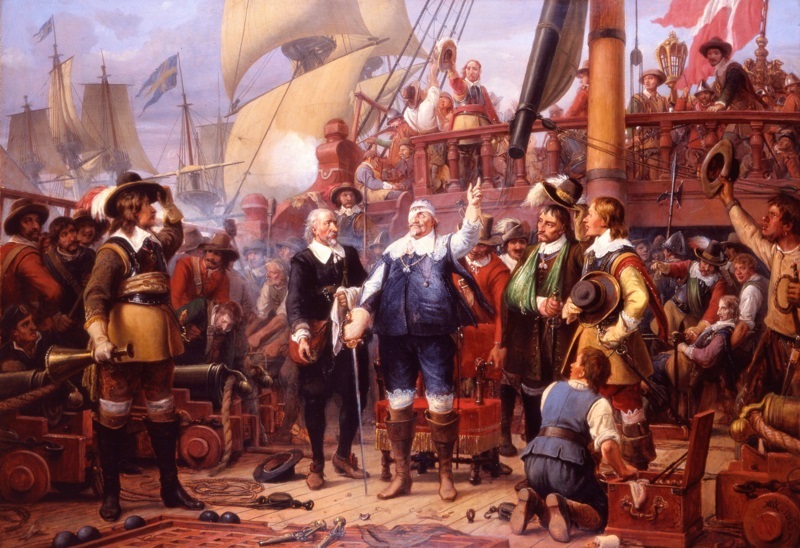
Wilhelm Marstrand’s portrait of Christian IV at the Trinity from ca. 1864.
Roskilde Domkirke. Part 2: Leaving a Legacy
Aside from being fascinated with soaring vaults and beautiful Sarcophagi, my curiosity about how the previous kings and queens of Denmark lived. Their deaths are either known, came as a surprise or can we define it as “fate”? One thing is certain – they left a legacy. Each of them had a royal motto (valgsprog in Danish).
What would you do if you were given the chance to design your own sepuchral monument? You may be an artist who wishes to make a remarkable remembrance of you when you have to leave this world.
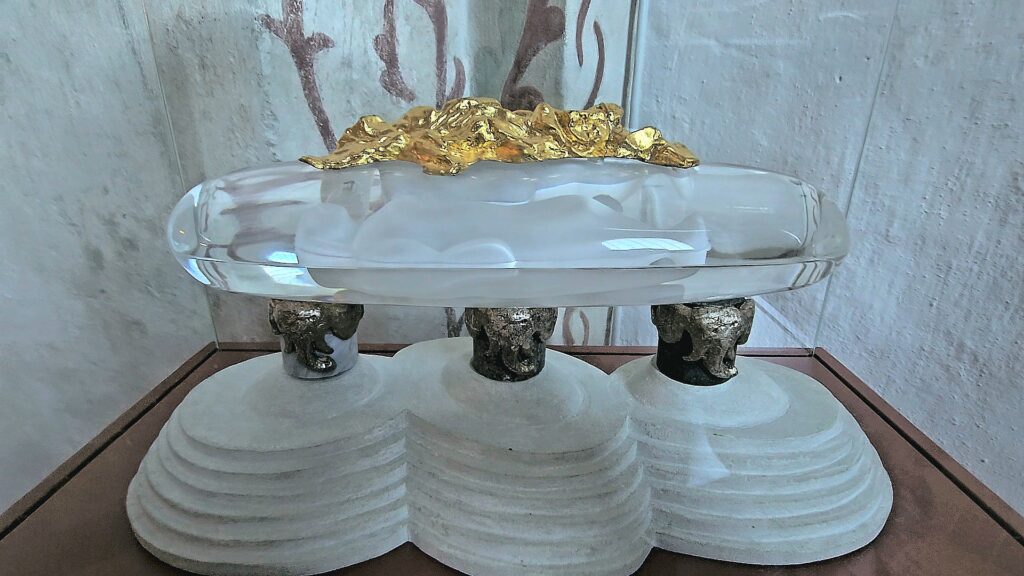
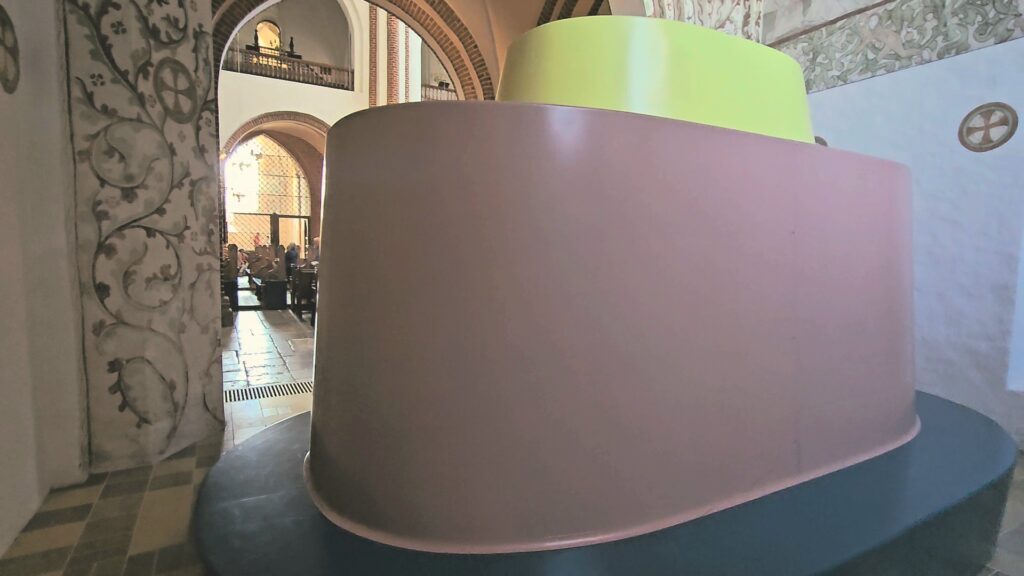
This beautiful piece of art is has been created by the artist, Bjørn Nørgaard (born 1947), in collaboration with the royal couple. It will remain covered until after the monarch is laid to rest. The current Her Majesty Queen Margrethe the 2nd has a motto “Guds hjælp, Folkets kærlighed, Danmarks styrke”. – God’s help, The People’s love, Denmark’s strength.
The monument is covered. It can be used as a bench, so one can sit and ponder at Birgitta’s chapel.
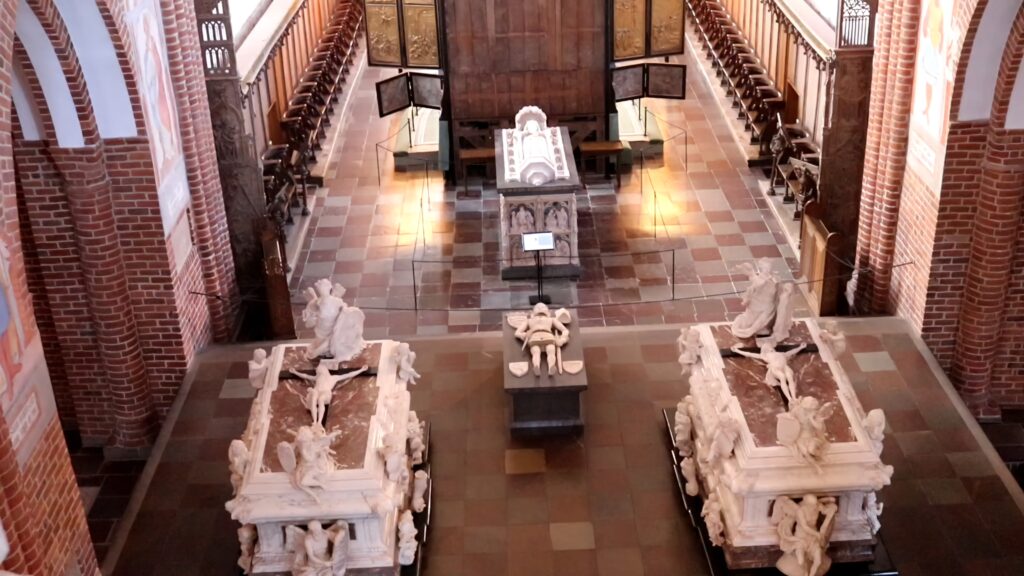
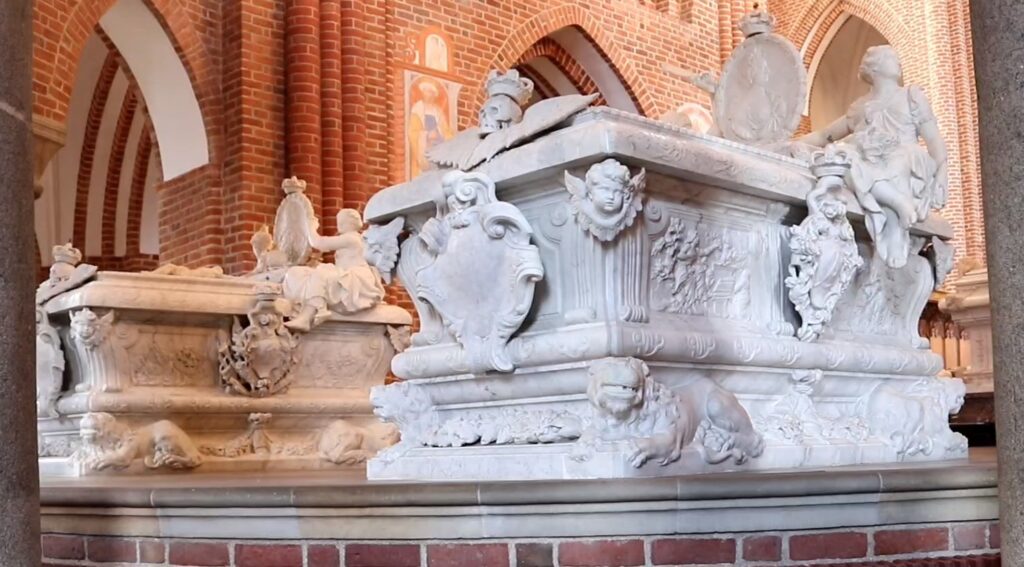
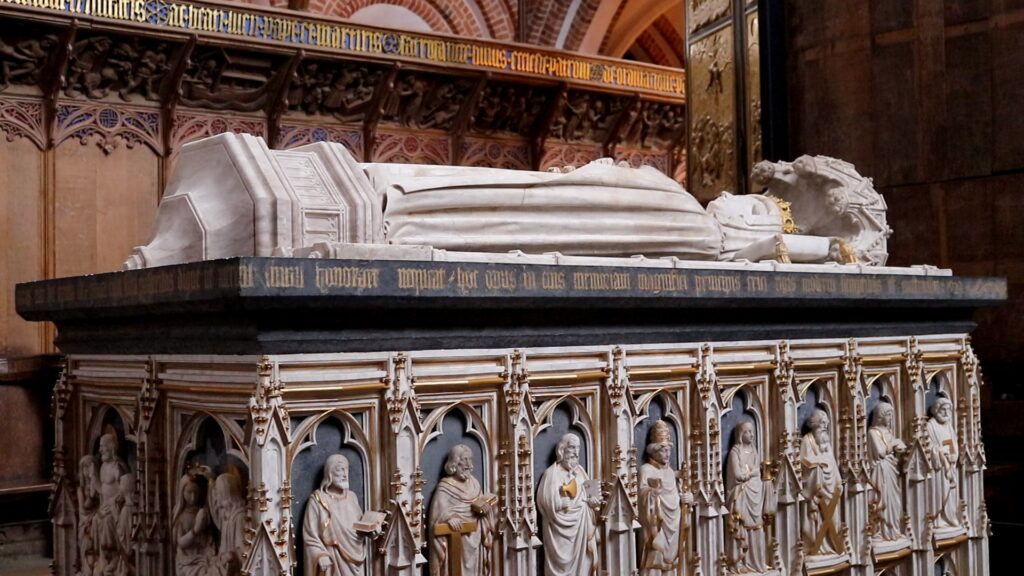
A view from the top where the Sarcophagi1 of Margrete 1., Duke Christopher of Lolland Margrete 1. older brother), Christian 5. and Frederik 4. can be seen.
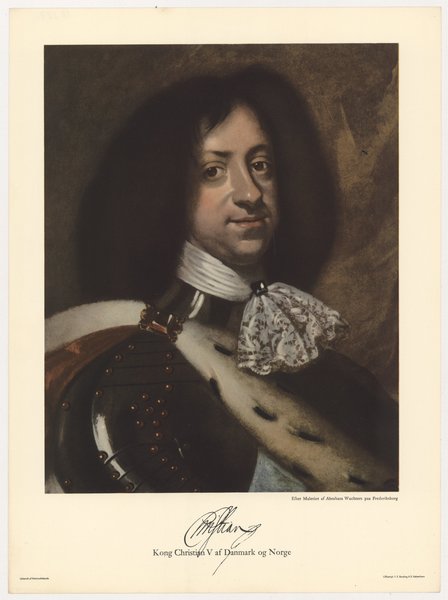
Christian 5. He was fond of riding and hunting. He ruled after the reformation. His humbleness made the people loved him.
The two women figures on this sarcophagus named Pietas (piety) and Justitia (justice) characterized his journey, making him one of the most popular kings in the autocracy’s line of kings.
Photo credits: Danmarks Historien
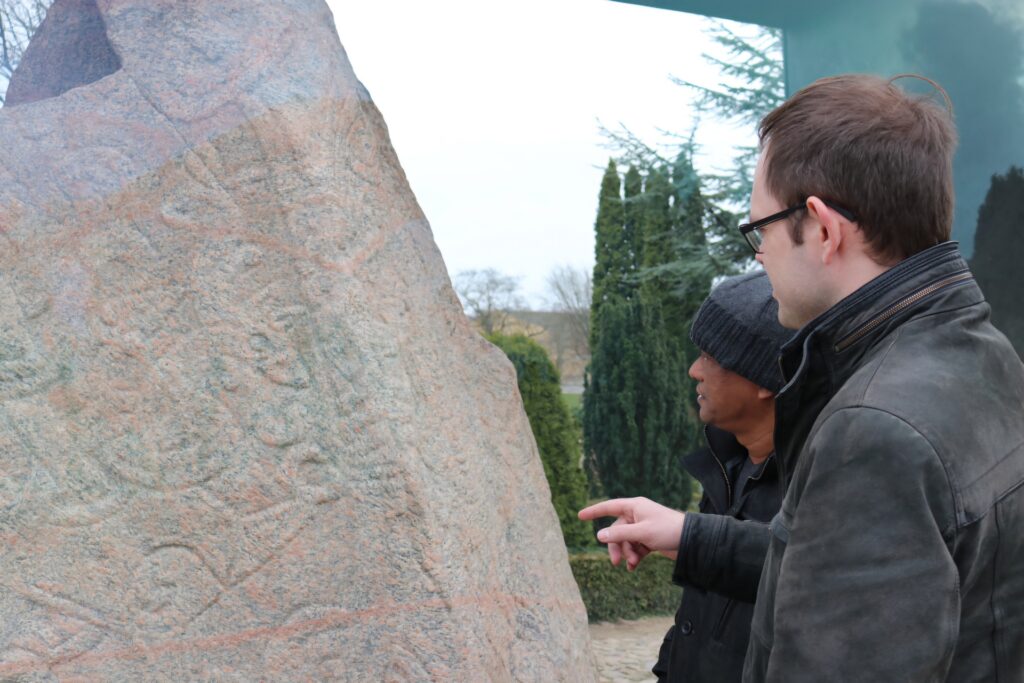
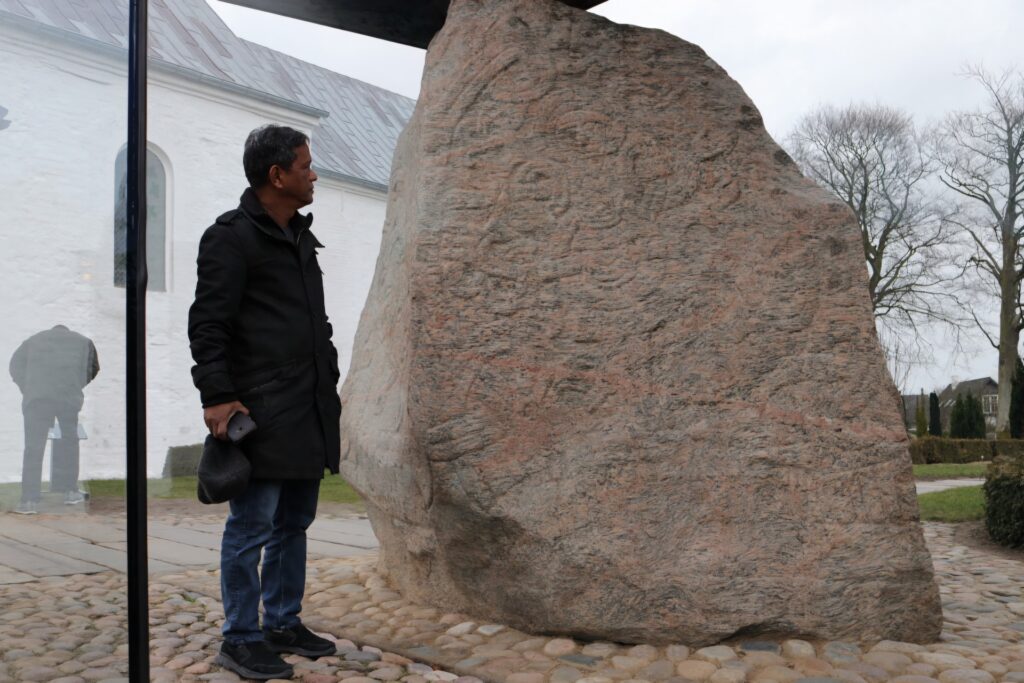
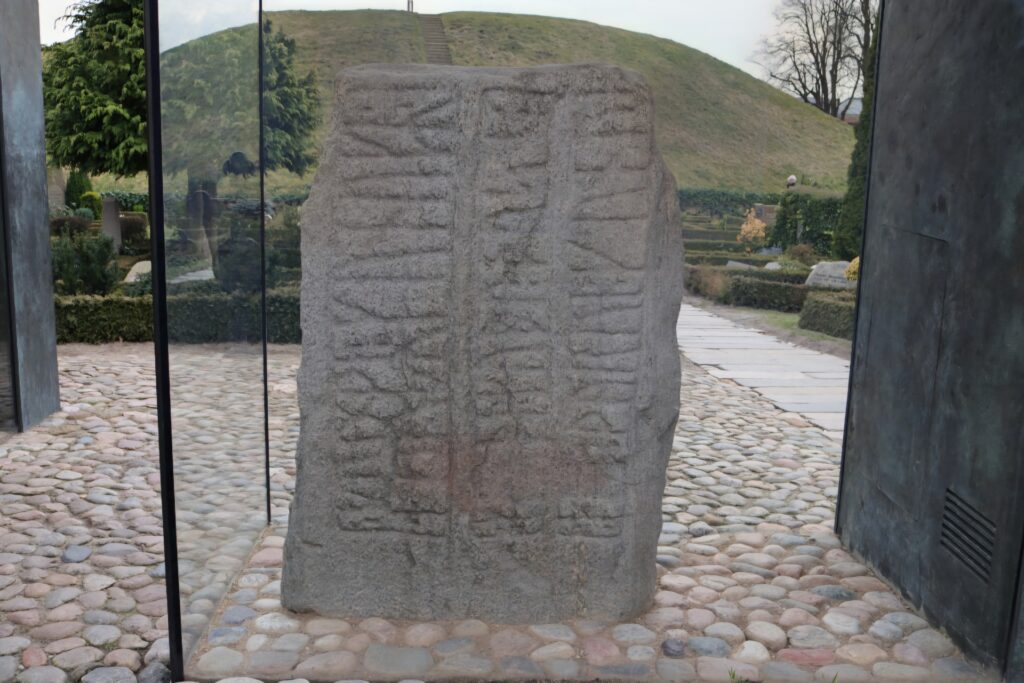
Harald’s Stone2. It tells a story when the country was transitioning from a tribal society to a Christian Kingdom. Harald writes that he is the king of the land and made the Danes Christian. Denmark’s birth certificate
Dating back to the 1080’s, when the church was first built, right even before they discovered the bricks in the 1100’s, there was a myth that King Harald Blåtands (Harald Bluetooths)3 grave was buried in the church in his death about 988, though there are no other sources or archaeological evidence to support this claim.
He was known as the ancestor of the Royal family. He was the king who united the kingdom and the Christian Danes.
This article is under the subject “culture”. Learning about history allows us to understand how moral standards evolved and how traditions were put into practice.
“We only live once”. This is what every wise man would say. But we can only do much in our lifetime. To be able to do the things we enjoy and holding on to the values we believe are important is already a fulfillment.
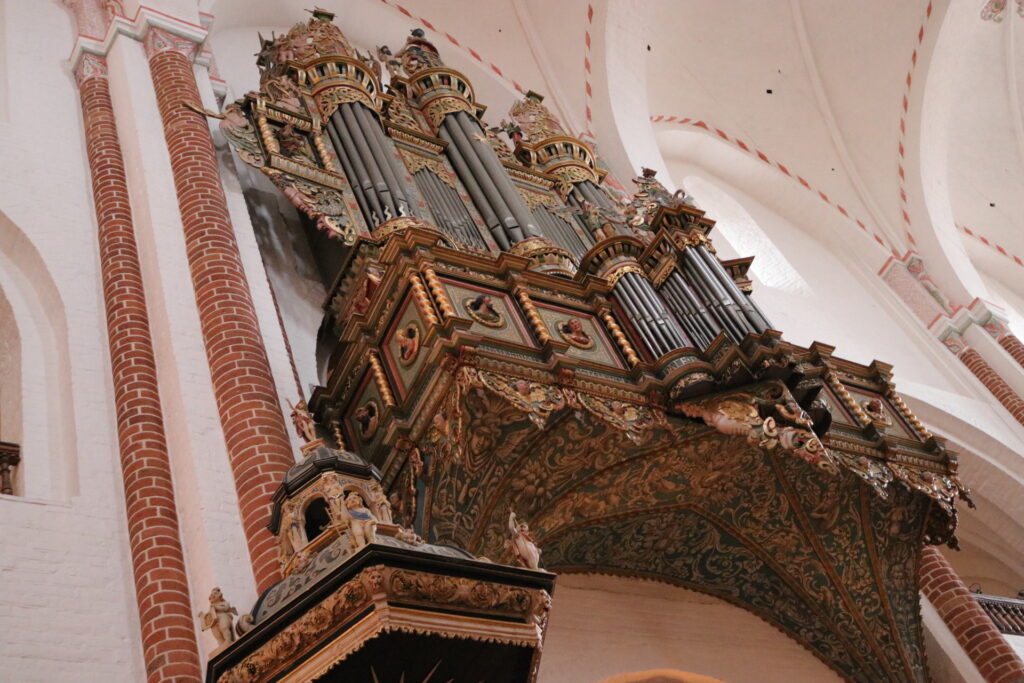
The Organ a.ka. Raphaëlis Organ
My fascination with art and history has led me to the discovery of the beautifully designed coffins and tombs inside a Christian church in Roskilde. One of the things that I find very interesting aside from the beautiful architecture using bricks and marble are a few stories behind every leadership of the kings and queens. I have gathered some of the most important information about both the cathedral and the life of kings and queens.
Click to download Roskilde Cathedral’s leaflets (available in english and danish)
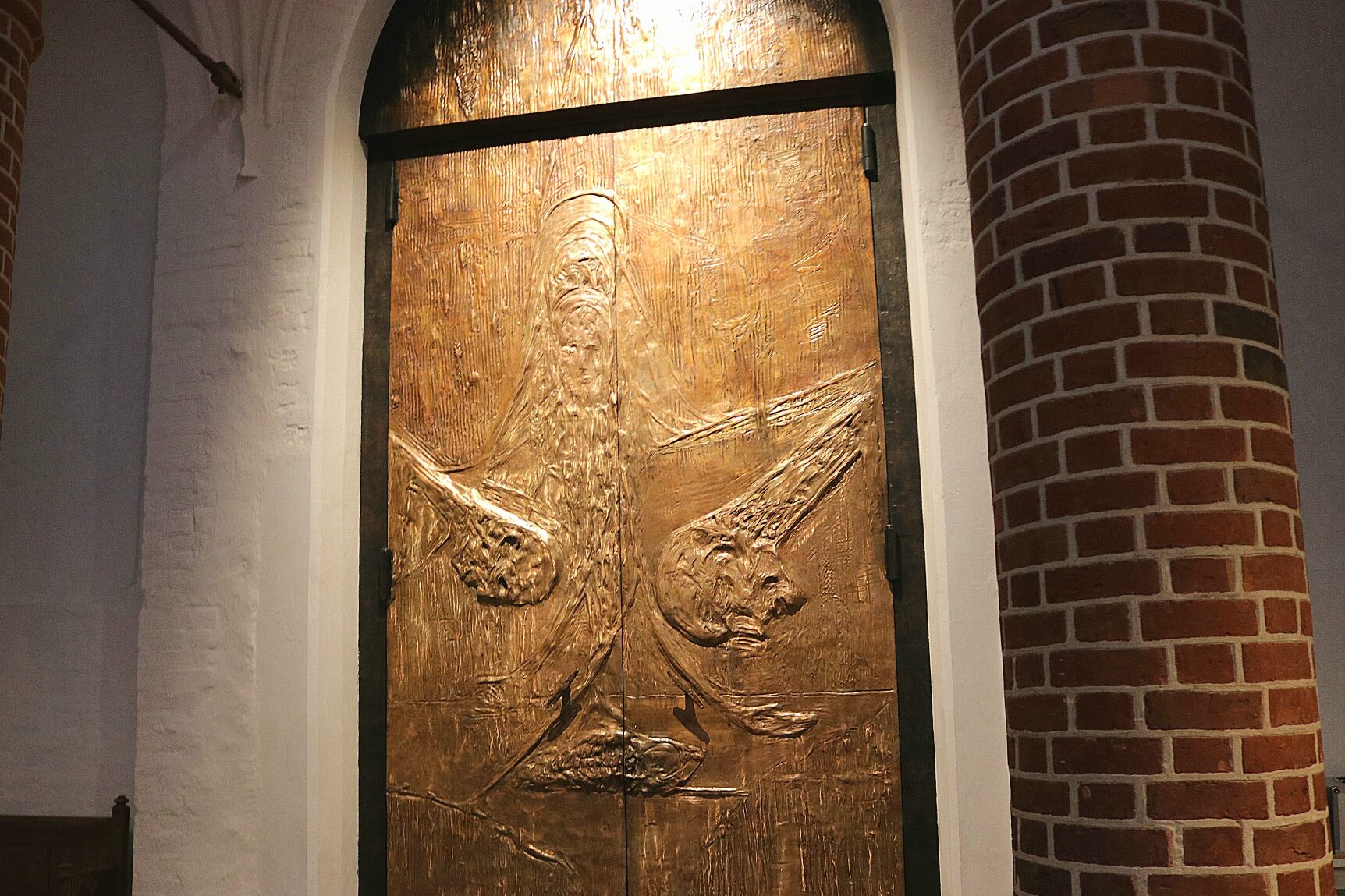
The King’s Door (Only the royalties can pass through it)
Forty kings and queens are thought to rest here – 37 graves are known with certainty. Altogether, there are more than 1000 graves in the church.”
Guide to Roskilde Cathedral
Margrete 1. founded the Kalmar Union between Denmark, Norway and Sweden
1376-1412 Denmark
1380-1412 Norway
1389-1412 Sweden
Kalmar Union
A Royal Union between the three kingdoms of Denmark, Norway and Sweden from 1397 – 1523. Erik of Pomerania was crowned king of three kingdoms
DH
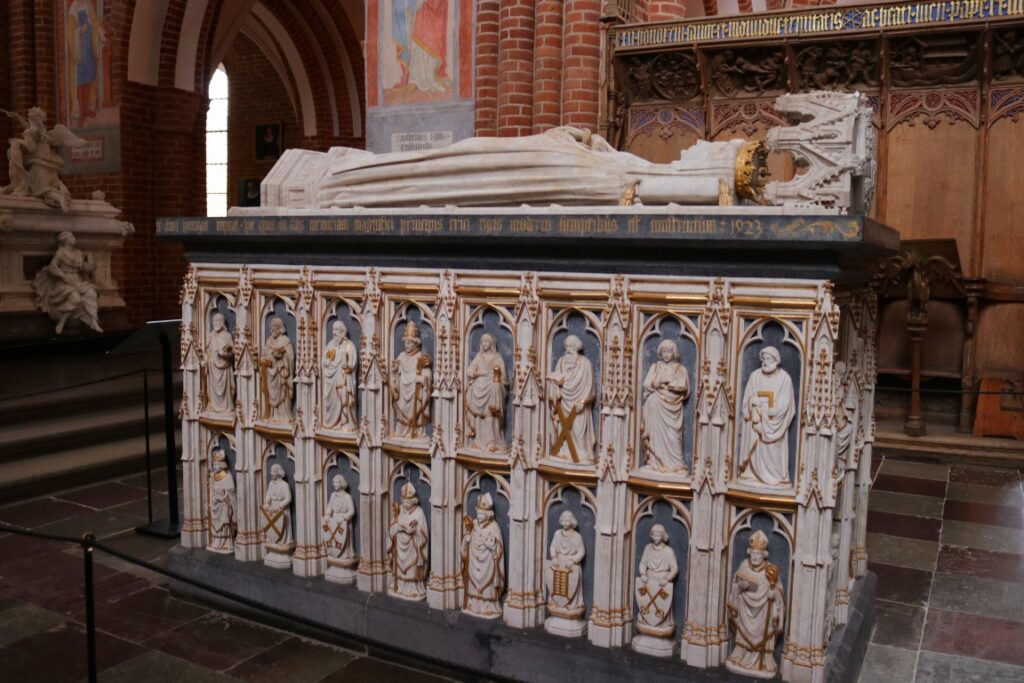
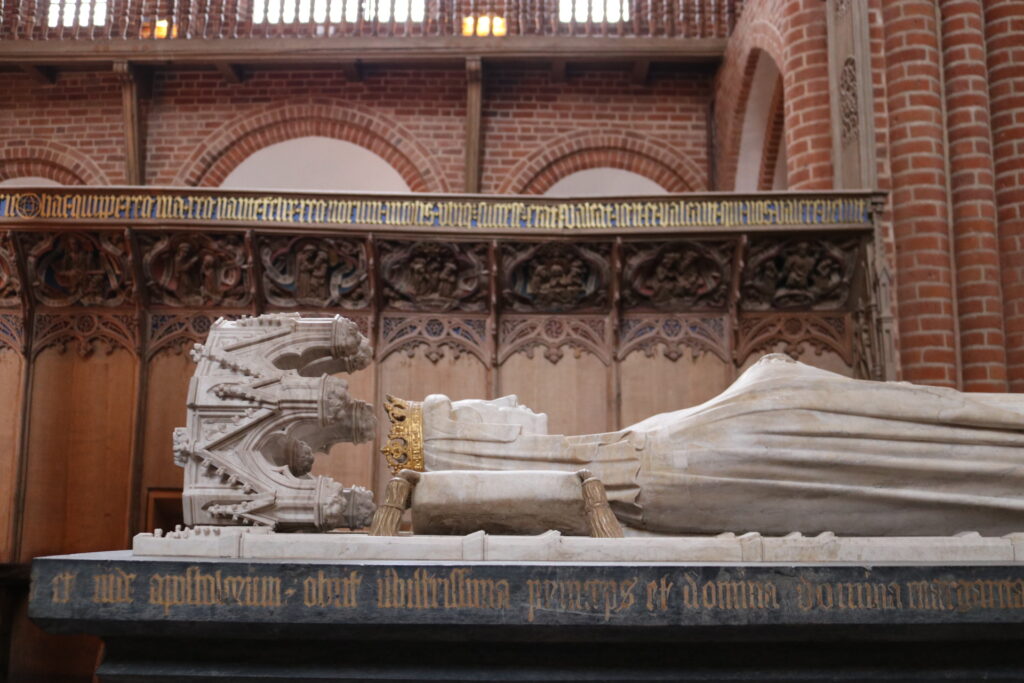
Ecclesiastical figures & biblical scenesMargrete 1. Born 1353 – 1412Youngest daughter of Valdemar Atterdag & Queen Helvig
Quote. “Roskilde Cathedral is Denmark’s royal burial church, architecture of international class and an active parish church. The Cathedral has been selected by UNESCO as a site of outstanding universal value. Here are soaring vaults and a majestic atmosphere. According to the chronicle from the 1000s, King Harold Bluetooth built a wooden church in Roskilde. In 1022, Roskilde received its first bishop. About 1080, a new church was built in travertine where the present brick church now stands.” Quote. – Guide to Roskilde Cathedral
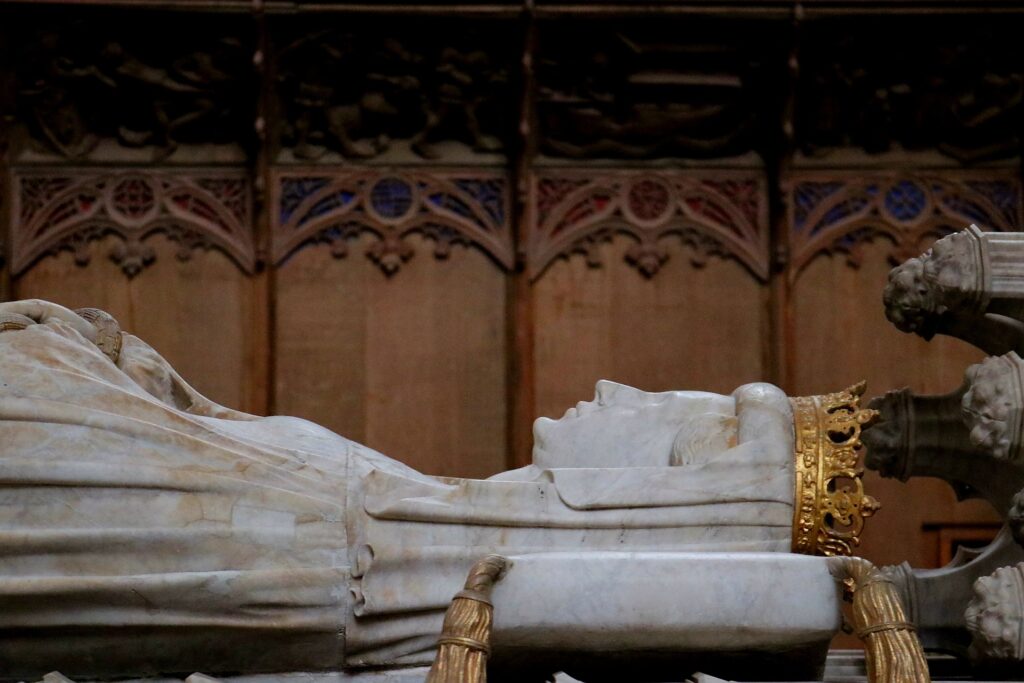
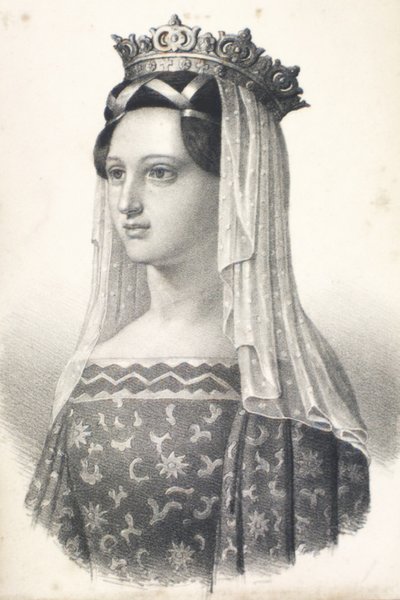
The portrait of Margrete 1.
It unfortunately lacks some description details. Therefore, it “may not” be the same face features as she was in real life.
Margrete 1. was the youngest daughter of Valdemar and Helvig, who exercised governmental power in Denmark, Norway and Sweden from 1376 – 1412. Her brother Christopher was supposed to reign, but died early at the age of 22. Since his death, the subsequent should take over.
Source: Danmarks historien
I PRODUCED A VIDEO FOR YOU TO SEE THE BEAUTIFUL CHURCH. -Sheree(more…)
Old and classic design releases its hidden elegance when combined with beautiful modern details. The thought of passing it through the next generations makes it…
This article is written voluntarily. It is currently revised. It was originally published in 2018 under my first website - Blooming Etiquette. Delivering the dream…
https://open.spotify.com/episode/3V5481kduelToyt1gvrVb1 ANNOUNCEMENTScrolls of Etiquette (www.bloomingetiquette.dk) is currently under maintenance. Please subscribe to Sining at Kultura International to receive news about Scrolls of Etiquette. Therefore, I…